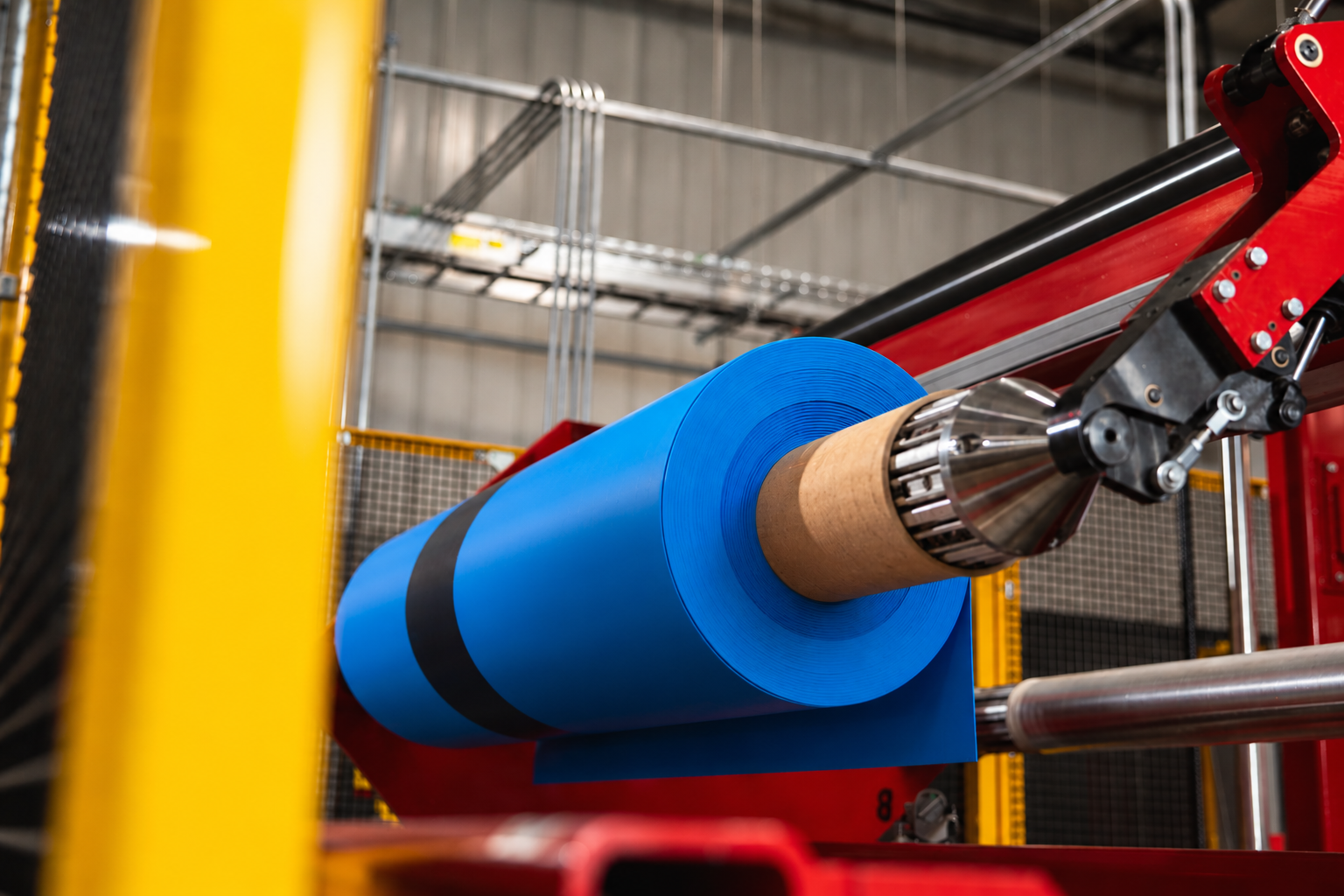
HYPURCEL’S ONLY CAST-TO-GAUGE FOAM
F-Series: A mechanically frothed polyurethane foam with finished skin on both sides, no skiving required
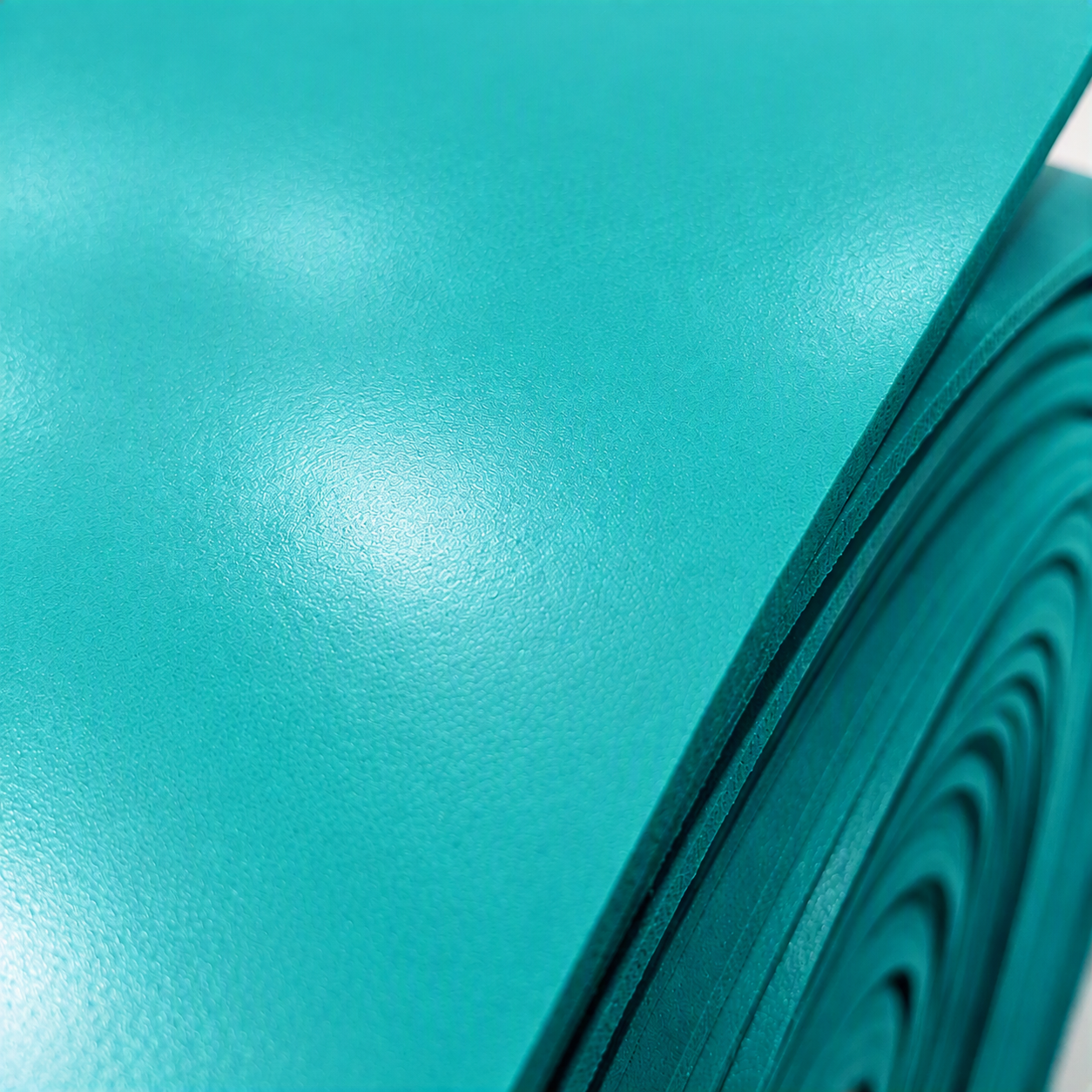
F-Series is mechanically frothed polyurethane cast directly to its final gauge. As it cures, a skin forms on each face of the open-cell foam, creating a smooth surface with a fine cell structure that differs from the exposed cut surface of a skived foam. For engineers evaluating surface contact or friction alongside compression behavior, that difference is worth a closer look. Available in densities from 15 to 35 pcf.
WHAT CAST-to-gauge CHANGES
Why use mechanically frothed cast-to-gauge foam?
Skived foams are sliced to thickness from a larger block. F-Series reaches its specified thickness during synthesis and casting.
Smooth surface finish
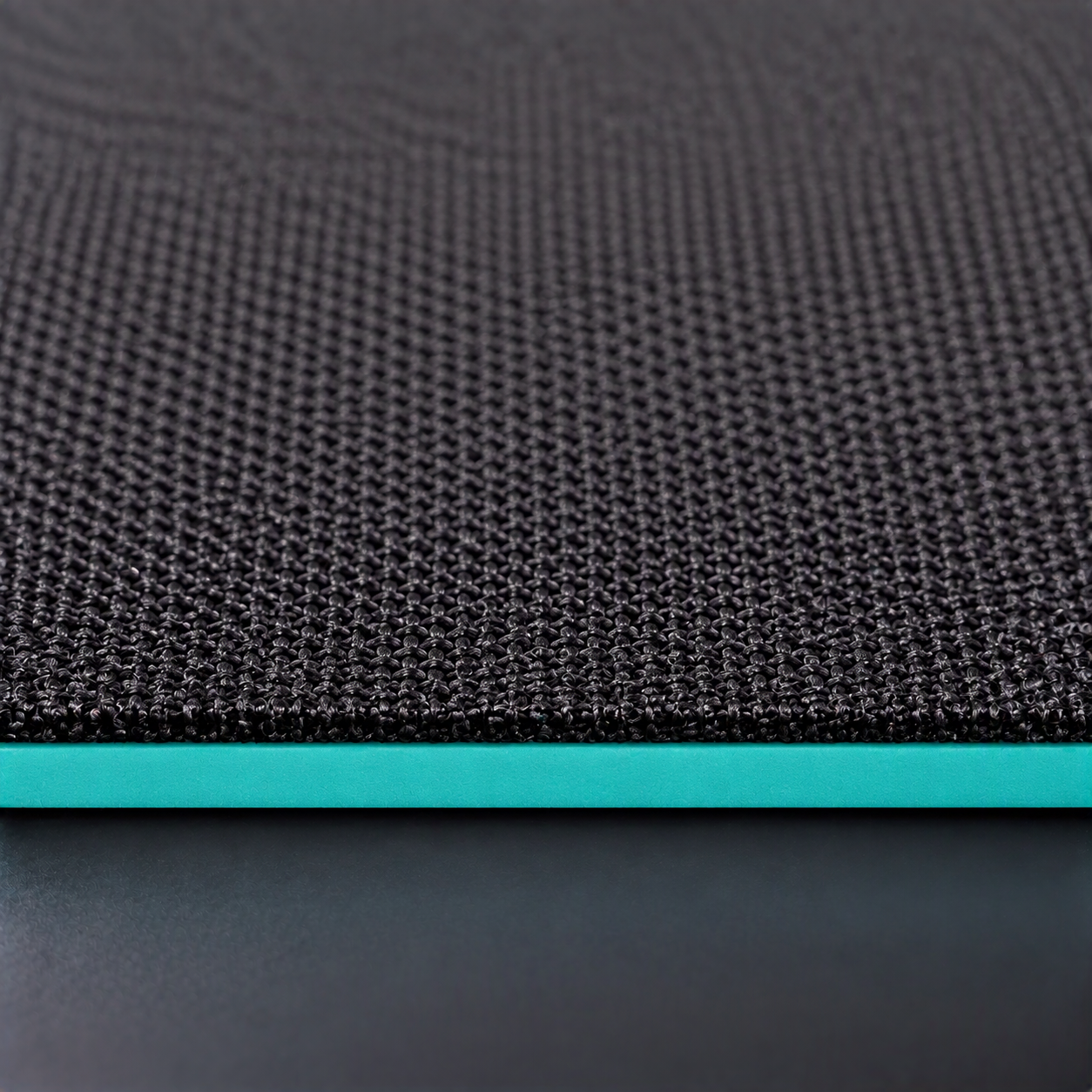
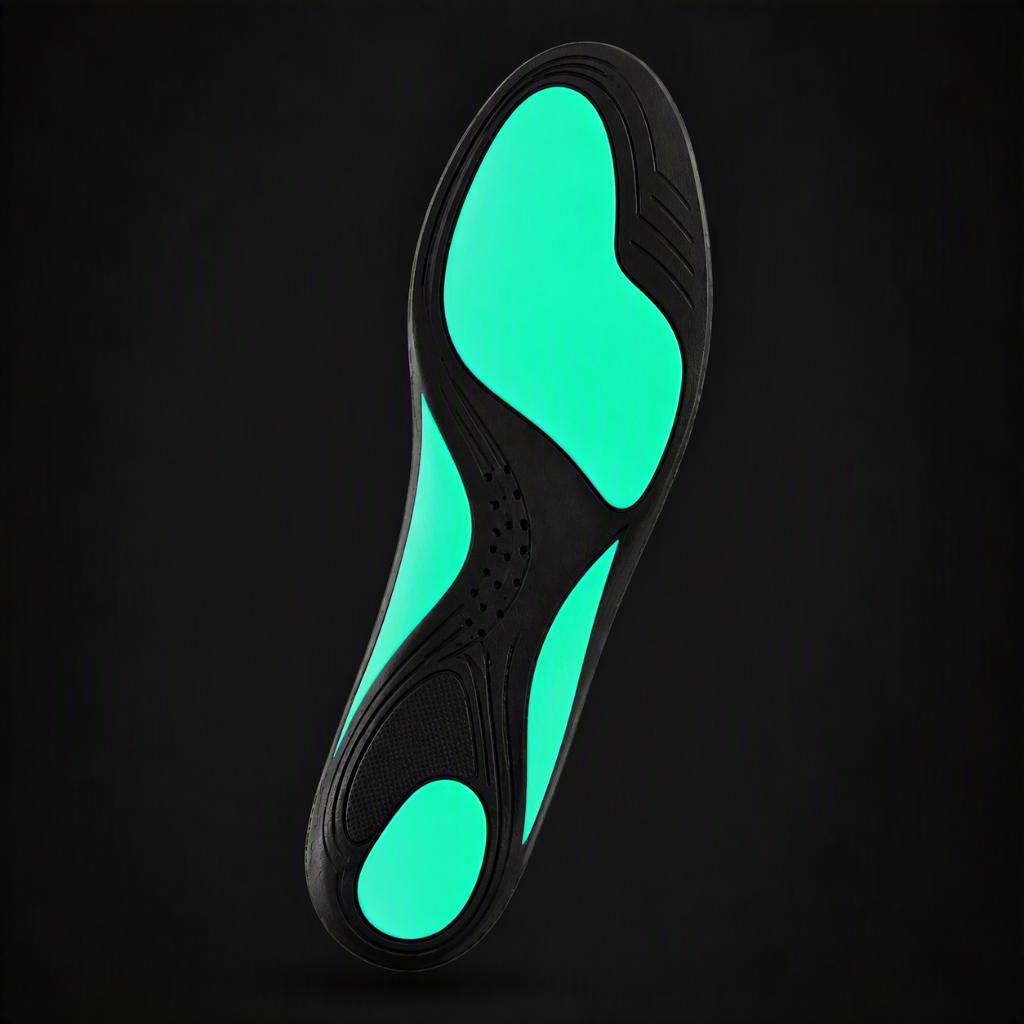
A smooth, consistent surface increases contact area for improved sealing, reduces surface friction in direct-contact applications such as shoe insoles, and delivers a more refined appearance when the foam is incorporated as a visible design element.
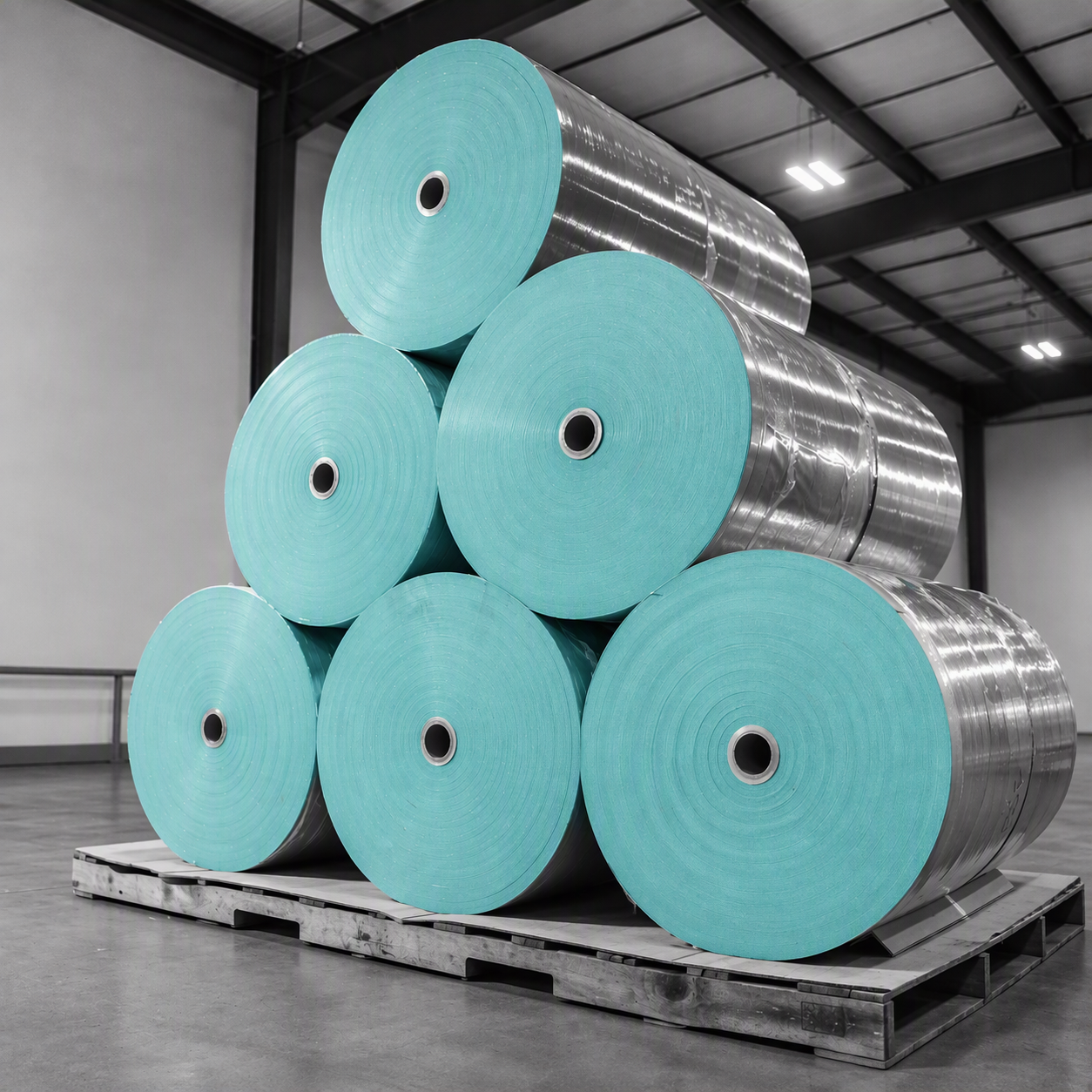
Long, splice-free rolls
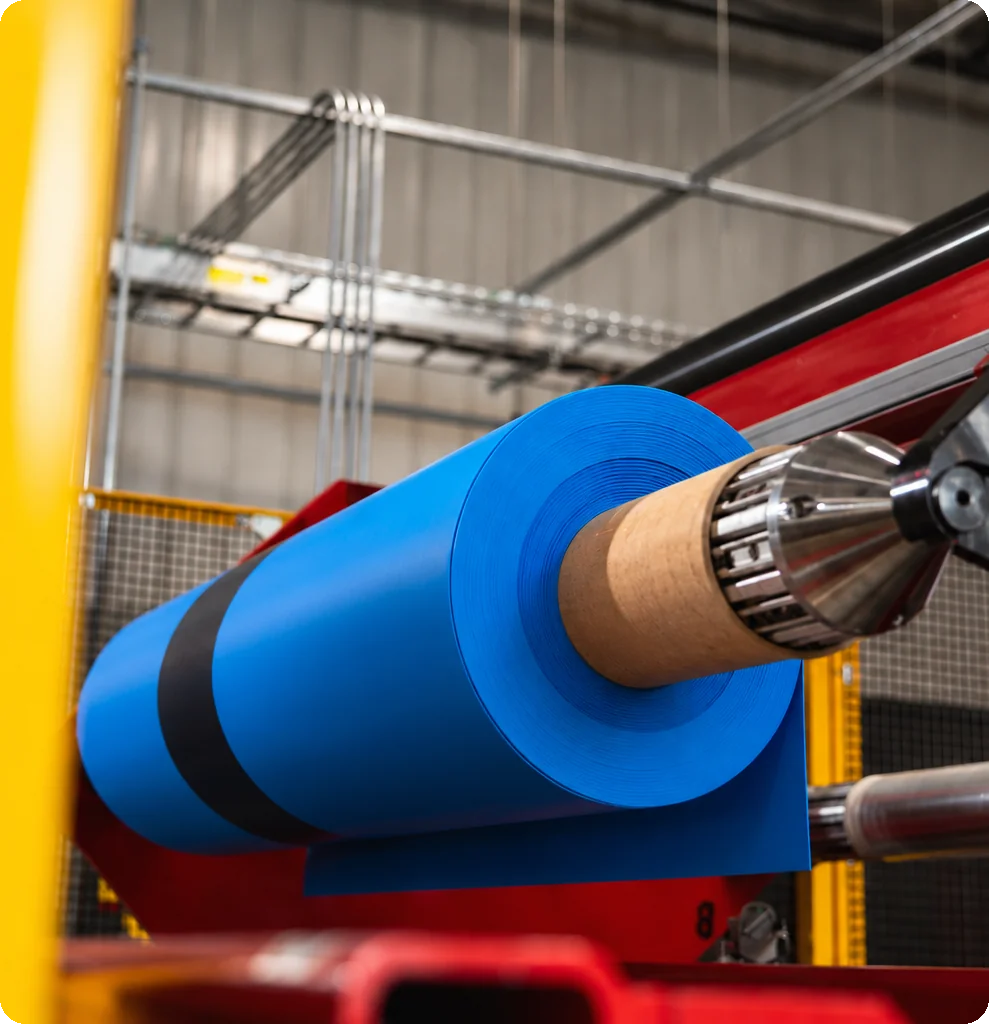
Depending on grade density and target gauge thickness, continuous casting allows for custom roll lengths up to 1,000 feet with widths up to 66 inches. Converters can optimize roll lengths to their own process restrictions and capabilities without considerations for intermediate splices.
Lower water absorption
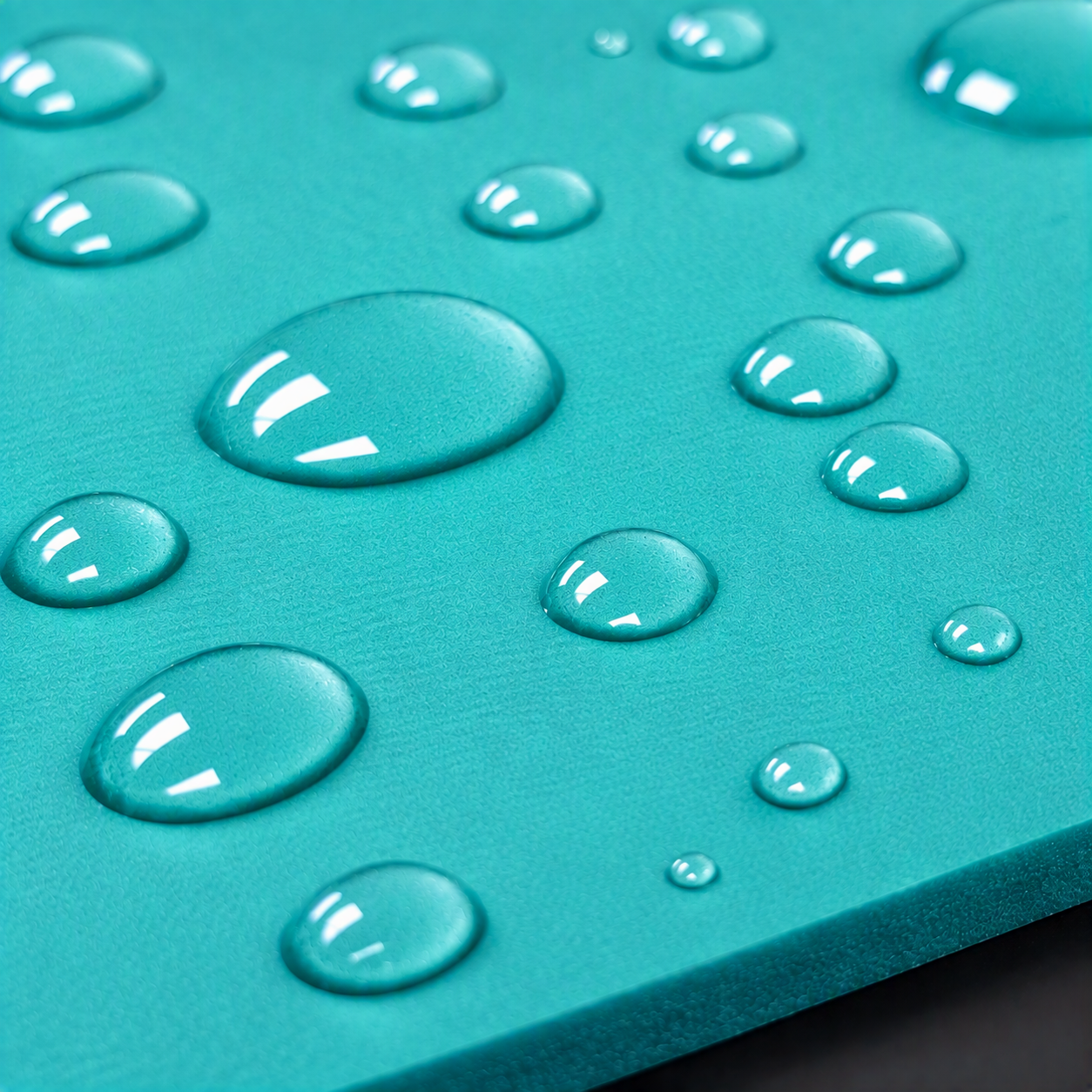
The chemistry and fine-cell structure reduce water absorption from incidental exposure. Low water absorption and robust dimensional stability make it a promising option for dust and air seals.
Direct-cast substrates
Cast directly onto supported PSA, PET liners, fabrics, and other substrates conducive to the web handling system. The polyurethane bonds to the substrate without additional lamination steps or costly adhesives.
SURFACE SKIN ON BOTH SIDES
Improved contact surfaces, top and bottom
Unlike skiving, which cuts through surface cells, cast-to-thickness foam retains its skin on both faces, creating more continuous contact for an improved seal, all while maintaining the benefits of an open cell polyurethane foam.
LONG-TERM COMPRESSION PERFORMANCE
Designed for static and dynamic compression applications
F-Series formulations deliver a defined compression response and resist compression set, ensuring material recovery after loading. Low resilience and low hysteresis loss contribute to the targeted response in dynamic applications. For other applications, engineers can tailor the compression profile to the demands of static or cyclic dynamic loading.
15-35 PCF DENSITY RANGE
Specify the material to your design
F-Series gives engineers control over thickness, firmness and tensile, tear and elongation properties within its 15-35 pcf density range. Flexible batch sizes support custom formulations and shorter production runs without large-volume commitments. For applications requiring lower densities, hyPURcel offers many alternatives through its water-blown technology products including I,T,S, V, and R-Series materials.
F-SERIES APPLICATIONS
From footwear to performance industrial applications
Footwear manufacturers already rely on F-Series for its cushioning properties and smooth, finished surface. But those characteristics have relevance beyond insoles. If you’re designing a dust or air seal, the skin surface offers a consistent contact interface while limiting incidental water absorption. Similar surface and compression requirements make flexographic printing another application worth exploring.
WORK DIRECTLY WITH THE FOAM MANUFACTURERS
A supply relationship that leaves room for the application
A foam that meets your specifications must still work for your production schedule and purchasing requirements. With hyPURcel you have direct access to the Polyurethanes Skill Center, the people who formulate, manufacture, and test F-Series. This provides the opportunity and flexibility to discuss custom construction and optimization, practical order quantities and delivery schedules. You don’t have to build your design around a supplier’s standard offering or commit to more material than your application requires.
hyPURcel F-Series property sheets
F-Series is available in splice-free rolls up to 1,000 feet and 66 inches wide, depending on grade density and gauge thickness. Ask the team about both release and permanent support substrates and whether the finishing options, additives or color matching required for your application are available for these selected products.
Understanding hyPURcel naming conventions: F identifies the F-Series process. The next two digits indicate density (lb/ft³); the following two indicate compression deflection at 25% compression (psi), per ASTM D1056. The number after the dash identifies the chemistry variant: -20 is lower resiliency, -30 is higher.
HELPFUL ANSWERS, ALL IN ONE PLACE
F-Series FAQs
The foam is direct cast to achieve final thickness during synthesis rather than sliced from a larger block after synthesis. This allows a skin to form on both faces.
Yes. The skin changes the surface, but F-Series remains an open-cell polyurethane foam.
It may suit certain dust and air seals. The assembly, compression conditions and environmental exposure determine whether it is the right material.
Direct casting is possible with release liners, permanent substrates, and supported adhesives. Contact hyPURcel® to review the substrate and construction before specifying it.
Start with the compression response and thickness your design requires. hyPURcel® can review the available F-Series products and advise whether a custom configuration is appropriate.
Explore the potential of F-Series
Bring us the requirements that matter in your design. Our engineers can help determine whether an existing F-Series grade fits or whether a custom variation makes more sense.